Maybe you've always been the steady one, the person who could juggle a full calendar, a family, and a job without losing sleep over it. Lately, though, something has shifted. You lie awake replaying a conversation with your sister. Your heart races when an email from your colleague lands in your inbox. You find yourself dreading things that used to feel easy, like a phone call, a crowded store, or a dinner you said yes to weeks ago. And you keep asking yourself, Why am I suddenly so anxious?
If you're in your 40s or 50s, perimenopause may be part of the answer. Many women I work with are surprised to learn how closely hormones and anxiety are connected, and understanding that connection can bring real relief.
How Perimenopause Affects Anxiety
Perimenopause is the transition leading up to menopause, and for many women it begins in their 40s and lasts several years. During this time, estrogen and progesterone rise and fall unpredictably. Estrogen helps regulate serotonin and other brain chemicals tied to mood. Progesterone has a naturally calming effect on the nervous system. When both are fluctuating, many women feel less buffered against stress, and worries that used to pass quickly can start to linger.
Sleep often changes, too. Night sweats, early waking, and lighter sleep leave the nervous system running on less, and a tired brain is quicker to sense danger. Add the demands that often land in midlife, such as teenagers, aging parents, work pressure, and big questions about what comes next, and anxiety can seem to come out of nowhere.
Signs Your Anxiety Might Be Connected to Perimenopause
Experiences vary from woman to woman, and a few patterns come up often in my practice:
Anxiety that feels new, or much stronger than it used to be
Waking at 3 or 4 a.m. with your mind racing
A racing heart or tight chest that seems to come from nowhere
Feeling irritable, on edge, or easily overwhelmed
Self-doubt at work, even in a role you've done well for years
Replaying conversations or dreading events far more than before
If several of these sound familiar, it can help to talk with your doctor about perimenopause alongside getting emotional support. Some physical conditions, such as thyroid changes, can also cause anxiety symptoms, so a checkup is a good place to start.
What Can Help
The good news is that anxiety in perimenopause responds well to care, and there are many ways in. Here are a few that I see make a real difference for women in my practice.
Understanding what's happening. Simply knowing that hormones are part of the picture can ease a lot of fear. Many women tell me they had started to wonder whether something was deeply wrong with them, and learning about perimenopause helped them feel less alone.
Working with anxious thoughts. Cognitive Behavioral Therapy (CBT) offers practical tools for noticing anxious thoughts, questioning them, and responding with more balance. Mindfulness adds a way to let those thoughts pass through without getting swept away by them.
Listening to the body. Somatic practices, such as slow breathing, grounding, and gentle movement, help calm a nervous system that's been on high alert. Protecting sleep where you can also matters a great deal.
Getting to know your anxious parts. Internal Family Systems (IFS) invites you to approach the worried, self-critical voices inside with curiosity. Often those parts have been working hard to protect you for a very long time.
Honoring your needs. Midlife is a natural time to notice where your energy goes and what drains you. Practicing boundaries and speaking up for yourself can lower the background stress that keeps anxiety going.
Talking with your doctor. A medical provider who understands menopause can talk with you about options such as hormone therapy, sleep support, or other treatments that may help alongside therapy.
When to Reach Out
If anxiety is affecting your sleep, your work, your relationships, or your sense of who you are, it may be a good time to get support. Many women wait a long time, hoping it will pass on its own or telling themselves they should be able to handle it. Reaching out sooner can spare you months of struggling quietly.
Working Together
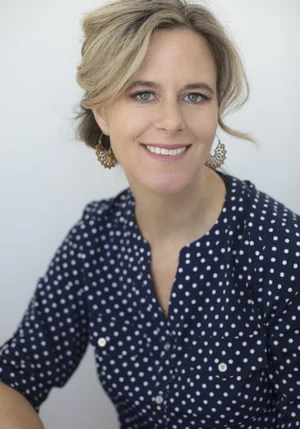
I'm Ali McKleroy, a licensed marriage and family therapist with more than twenty years of experience and the author of Essential Strategies for Social Anxiety. At Wild Path Therapy, I offer telehealth therapy for women in midlife throughout California, drawing on mindfulness-based CBT, IFS, and somatic therapy.
If you're wondering whether we'd be a good fit, I'd love to talk with you in a free 15-minute consultation by phone or Zoom.