Art Therapy
Sometimes the most important things we carry don't live in language.
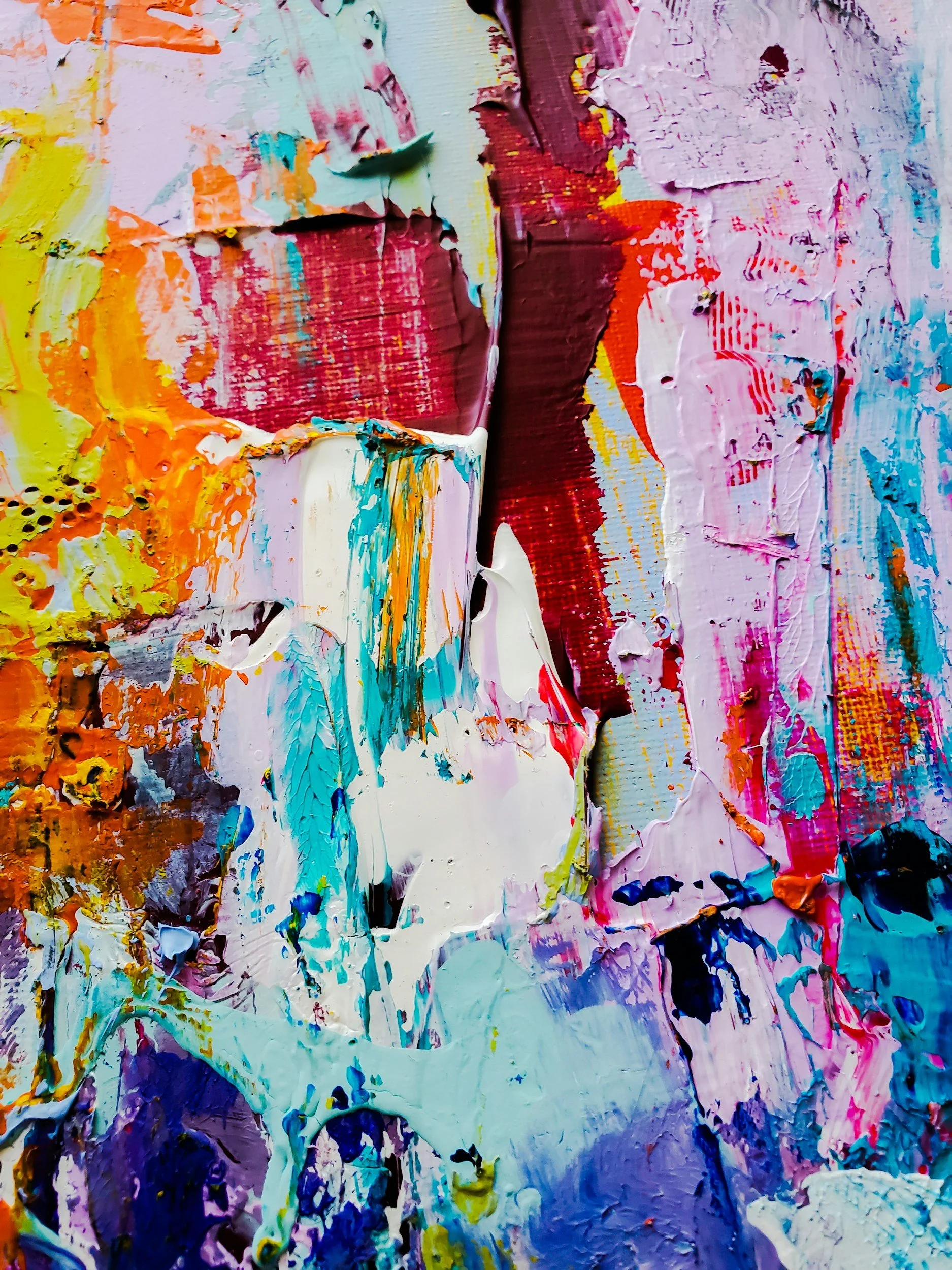
Art therapy begins with the recognition that we are not only thinking, verbal beings. We process experience through sensation, image, color, and movement, and sometimes those channels can reach places that conversation alone cannot. This is not about artistic talent or producing something beautiful. I have worked with people who have never considered themselves creative and watched them make something that surprised them completely, something that gave form to a feeling they had been circling for years.
In art therapy, the art is not the goal. It is a way in. I might invite you to draw what anxiety feels like in your body, or to use color to map what a particular relationship holds, or to make something with your hands while we talk about something difficult. The act of making can slow you down in a useful way. It gives the nervous system something to do while you move through material that might otherwise feel too big or too fast.
What I find remarkable about working this way is what happens when someone looks at what they've made. The image offers some space and an external perspective that is genuinely difficult to create with words alone.
I completed my master's degree in art therapy and have been weaving it into my clinical work for over twenty years. I don't use it as a technique that gets applied at particular moments. It lives inside the way I work, alongside IFS, somatic awareness, and mindfulness, as one more way of paying attention to your inner world.
Sometimes I'll offer an invitation if this is something that interests you.
Art therapy can be really effective for experiences that are hard to put into words, early memories, body-held stress, grief, shame, the felt sense of a relationship pattern. When language gets us so far and then stalls, making something can open a door that talking couldn't quite find.