Feeling Like a Stranger to Yourself in Midlife? Therapy for Women in Sonoma County
When the woman you were stops fitting
A woman I'll call Dana sat across from me on Zoom last spring and told me she didn't recognize herself anymore. She was 49. She had raised two kids and kept a career steady Now she was waking at 3 a.m. with her heart racing, feeling irritated most of the day, and snapping at a husband she still loved.
"I feel like I'm losing my mind," she said. She wasn't. She was in midlife, and her body and hormones were shifting a lot.
If you are a woman in your 40s or 50s living in Sonoma County and some part of Dana's story sounds like yours, I want you to know there is a way through this that can leave you clearer and more yourself than you have felt in years.
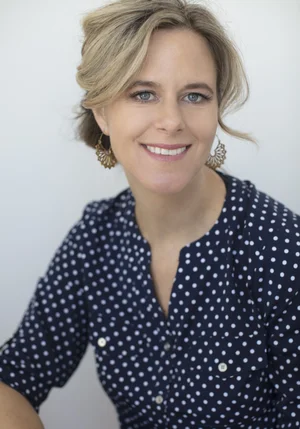
I'm Ali McKleroy, a licensed marriage and family therapist in Sebastopol, and for more than 20 years I have walked alongside women through exactly this season of life.
Dana is a composite drawn from many women's stories, shared to protect privacy.
How perimenopause and menopause can affect your mental health
Perimenopause, the transition leading up to menopause, often begins in a woman's 40s and can last several years. Estrogen and progesterone rise and fall unpredictably during this time, and those hormones play a direct role in mood, sleep, memory, and how your nervous system handles stress. Many women are surprised to learn that the emotional symptoms can show up long before their periods change.
Women in midlife often come to me describing some combination of these:
Anxiety that increases, or old anxiety that gets worse
Low mood, tearfulness, or a flatness that makes it hard to enjoy things you used to love
Irritability and rage that feel out of proportion and leave you ashamed afterward
Sleep that breaks apart at 2 or 3 a.m., followed by racing thoughts and nighttime anxiety spirals
Brain fog, forgetting words, and losing confidence at work
Grief about aging, fertility, or the body you used to know
A growing sense that you have been people-pleasing for a long time
These experiences are real, common, and treatable. Therapy works well alongside medical care. In therapy we work with the parts of this transition that medication alone can't reach: the stories you carry about your worth, the patterns that keep you exhausted, and the life you want to build from here.
Why so many women seek therapy in midlife
For many of us, the decades before midlife were built on saying yes. Yes to the extra project, yes to hosting the holidays, yes to driving across the county for a parent's appointment while answering work email in the waiting room. Somewhere around 45, the body starts refusing to cooperate with that arrangement, and the anger that was always underneath it finds its way to the surface.
The women I work with in Sebastopol, Santa Rosa, Petaluma, Healdsburg, and across Sonoma County often arrive carrying several transitions at the same time:
Children leaving home, or teenagers who need you in harder ways
Aging parents who need more care
A marriage or partnership that feels distant, or a divorce that changed everything
Career burnout, or a sense that your work is now draining and not aligned with how you want to contribute to the world
Long-buried grief or trauma that resurfaces when life slows down
A lifetime of people-pleasing that has stopped working
That last one is where a lot of the real change happens. When a woman learns to notice what she needs, say it out loud, and tolerate someone else's disappointment, her anxiety often softens in ways that years of coping never managed. I have watched women in their 50s discover a steadiness and a sense of humor about themselves that they never had at 30. Midlife can be a time of real freedom, and therapy can help you get there with more ease.
How I work with women in midlife
I'm a licensed marriage and family therapist with an additional master's degree in art therapy and more than 20 years of clinical experience in California. I've also written two books, Essential Strategies for Social Anxiety and The Self-Compassion Journal, and my writing on mental health has appeared in TIME, The Guardian, Forbes, and Vogue. In our sessions I draw from several approaches and choose what fits you.
Internal Family Systems (IFS). IFS helps you get to know the different parts of yourself, like the inner critic, the one who keeps everyone happy, and the one who is quietly furious about it. I trained with the IFS Institute, and I find this approach especially kind for women who have spent decades pushing their own needs aside.
Somatic therapy. Perimenopause and menopause live in the body, so we work there, too. I'm certified in somatic therapy through The Embody Lab, and we'll use breath, sensation, and movement to help your nervous system settle when anxiety or rage takes over.
Mindfulness-based CBT. I'm certified in CBT (Level 2) through the Feeling Good Institute. These practical tools help with racing thoughts, 3 a.m. spirals, and the harsh self-talk and self-defeating beliefs that so often grow louder in midlife.
Art therapy and creativity. You don't need to think of yourself as an artist. Sometimes a few minutes with color and paper reveals what words can't, and many women rediscover a creative spark they set down decades ago.
Boundaries and communication. Drawing on Nonviolent Communication (NVC), we practice saying what you need with your partner, your kids, your parents, and your colleagues, so that speaking up starts to feel safe.